




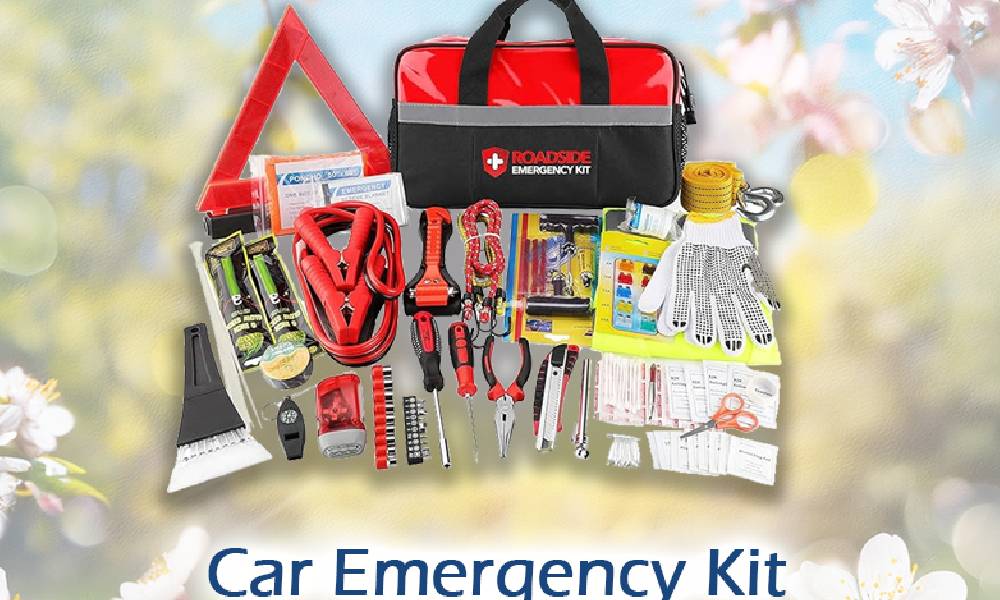
A first car brings freedom, and a few new responsibilities. New drivers are more likely than anyone to face their first flat tire, dead battery or fender bender without much experience. A well-stocked car kit, plus a little practice at home, turns those moments from scary into manageable.
The essentials
- Phone charger and power bank. A charged phone is the most important safety tool in the car.
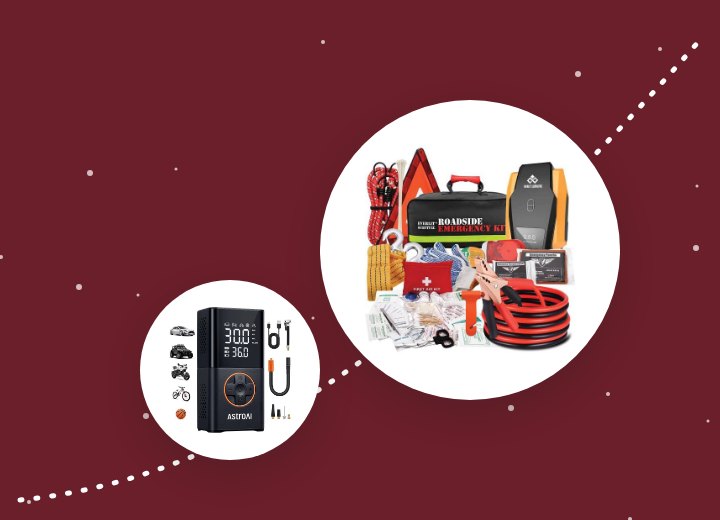
- Jumper cables or a portable jump starter. A jump starter is easier for beginners because it does not need a second car.
- Tire pressure gauge and portable inflator. Low tire pressure is common and easy to fix.
- Flashlight with spare batteries.
- Reflective warning triangles to make a stopped car visible.
- First-aid kit with bandages, antiseptic wipes and pain relievers.
- Water and a few snacks.
- Ice scraper and snow brush in winter.
Paperwork to keep handy
- Vehicle registration and proof of insurance, stored in the glove box.
- The insurance company's claims number and your roadside assistance number, saved in the phone.
- A short card listing emergency contacts, in case the phone battery is dead.
Five skills to practice at home
- Check tire pressure using the numbers on the sticker inside the driver's door, not the number on the tire.
- Find the spare tire and jack, and read the owner's manual on how to use them.
- Jump-start the car with an adult watching: red to the positive terminals, black to the good battery's negative, and the last black clamp on bare metal.
- Turn on the hazard lights without looking.
- Know what to do after a crash: check for injuries, move to safety if you can, call 911 if anyone is hurt, exchange information and take photos.
Make it a habit
Check the kit every few months together: recharge the jump starter and power bank, replace snacks and water, and restock the first-aid kit. A ready-made roadside emergency kit is a fast way to cover most of the basics in one bag, and makes a practical gift for a new driver.